What is Regenerative Agriculture and Why It Matters Now
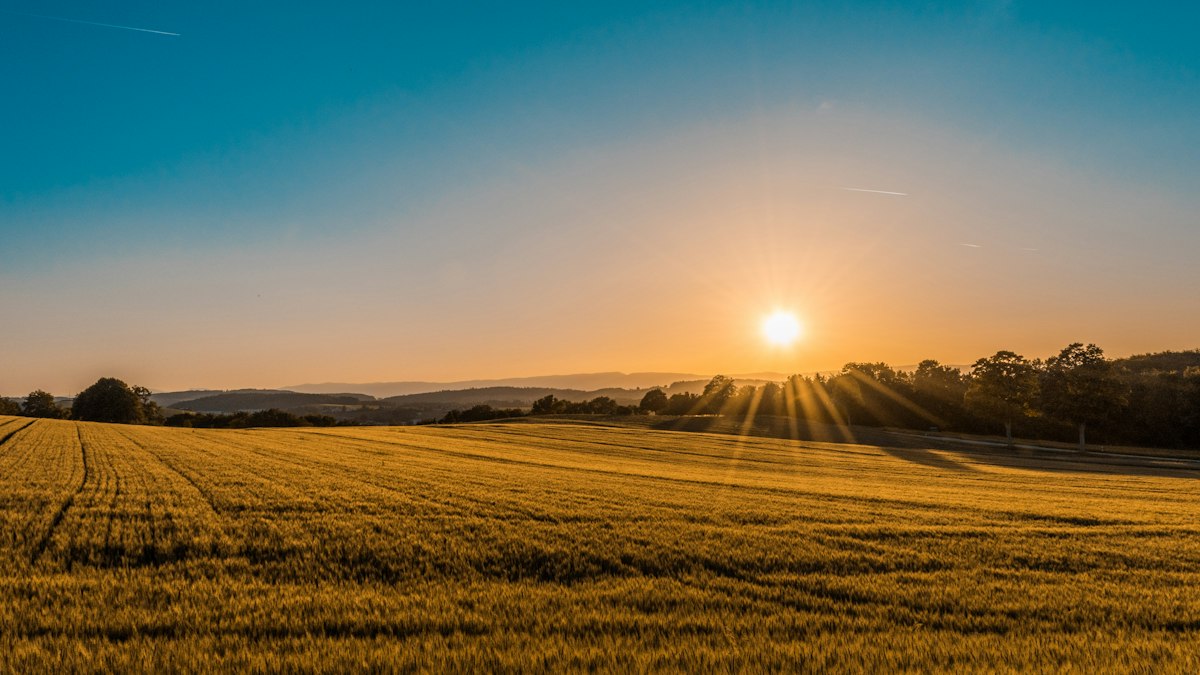
Most people know what organic farming is — avoiding synthetic pesticides and fertilizers. But regenerative agriculture goes further. Much further. While organic certification sets a floor (don't harm), regenerative farming aims to actively improve the land with every season. The soil should be healthier, the water cycles more efficient, and the biodiversity richer after each harvest than before it.
At Grovera Farms, we've practiced regenerative principles across our 120+ acres for years — not because it's trendy, but because 37 years of farming has taught us that healthy soil produces better food. Here's what regenerative agriculture means in practice.
The Five Pillars of Regenerative Agriculture
1. Minimize Soil Disturbance
Conventional farming relies heavily on tilling — mechanically turning soil before each planting. This breaks up soil structure, kills mycorrhizal fungal networks, exposes carbon to oxidation, and creates conditions for erosion. Regenerative farming minimizes or eliminates tillage.
At Grovera, we practice reduced tillage on our open-field operations and zero tillage in our polyhouse beds. Our polyhouse growing media is maintained season after season — we add organic amendments on top rather than turning the bed. This preserves the soil food web that's taken years to establish.
2. Keep the Soil Covered
Bare soil is vulnerable soil. Sun bakes it, rain erodes it, and wind carries it away. Regenerative farming keeps soil covered at all times — through living crops, cover crops, or organic mulch.
Between our main crop cycles, we plant cover crops — legumes like sunn hemp (Crotalaria juncea) and green gram that fix atmospheric nitrogen into the soil. When these are chopped and left as mulch, they add organic matter and protect against the intense Raver sun (40°C+ in summer).
3. Maximize Crop Diversity
Monocultures deplete specific nutrients, attract specialized pests, and create fragile ecosystems. Regenerative farming embraces diversity — growing multiple crops in rotation and intercropping systems.
Across Grovera's operations, we grow 50+ varieties — from exotic vegetables and herbs in polyhouses to bananas, turmeric, chickpea, cotton, and soybeans in open fields. This diversity creates a resilient farm ecosystem where pest pressure on any single crop is naturally moderated.
4. Keep Living Roots in the Soil
Living plant roots are the primary food source for soil microorganisms. When roots die (after harvest), the soil food web shrinks. Regenerative farming aims to maintain living roots year-round through continuous cropping and cover crop relay planting.
Our polyhouses maintain year-round production — when one crop cycle ends, the next begins within days. Open fields use relay cropping: chickpea follows turmeric, which follows cotton, with cover crops in any gaps.
5. Integrate Livestock (Where Possible)
Traditional regenerative models integrate grazing animals to cycle nutrients. While Grovera doesn't run livestock, we achieve similar nutrient cycling through vermicomposting (earthworm-processed organic waste) and composting of crop residues. Our compost operation processes all farm waste on-site, returning nutrients to the soil as rich humus.
Why This Matters for You
If you're a restaurant, hotel, or health-conscious consumer, regenerative farming matters because healthier soil produces more nutritious food. Studies consistently show that crops grown in biologically active, organic-matter-rich soil have higher mineral density, better flavour compounds, and longer shelf life.
When you buy from Grovera Farms, you're not just buying vegetables — you're supporting a farming system that actively heals the land while feeding people. That's the difference between "less bad" and genuinely good.
See It Yourself
We welcome visitors every Saturday from 7am to 12pm. Walk our polyhouses, see our composting operation, and taste the difference that healthy soil makes. Book your visit on WhatsApp.