NVPH Polyhouse Farming in India: The Complete Guide for Agripreneurs
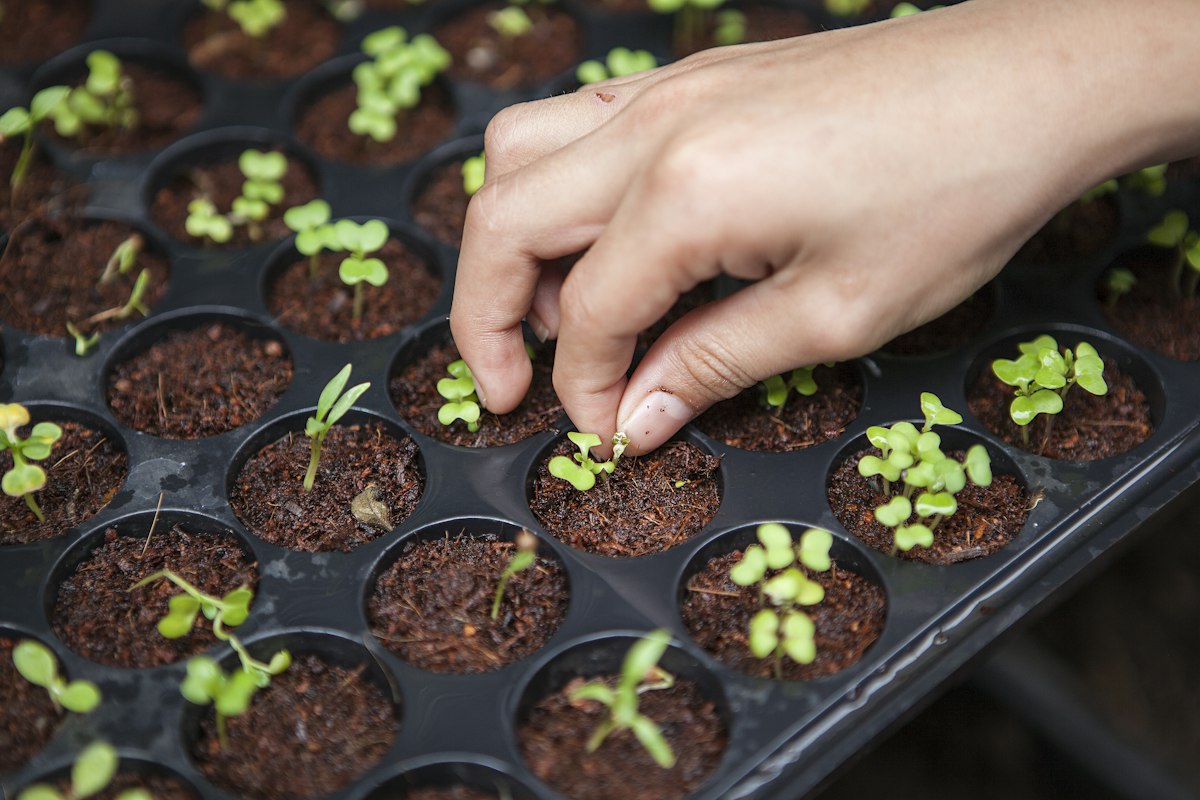
NVPH (Naturally Ventilated Poly House) farming is the most practical form of protected cultivation for Indian conditions. Unlike climate-controlled greenhouses that require expensive HVAC systems and continuous electricity, NVPHs use natural air flow, passive ventilation, and UV-stabilized polyethylene films to create controlled growing environments at a fraction of the cost.
At Grovera Farms, we operate multiple NVPH structures across our 120+ acre facility in Raver, Maharashtra. After years of hands-on experience — including a transition from hydroponics to soil-based protected cultivation — here's everything an aspiring agripreneur needs to know.
What is an NVPH Polyhouse?
An NVPH is a greenhouse structure covered with UV-stabilized polyethylene film (typically 200 microns), with openings designed for natural cross-ventilation. Key features include ridge vents at the top for hot air exhaust, side walls with insect-proof nets (40-50 mesh) for pest exclusion, fogger/misting systems for humidity control, shade nets (35-50%) for summer heat management, and gutters for rainwater collection and drainage.
The structure creates a microclimate that's 4-6°C cooler than outside temperatures in summer, protects from rain and hail, and physically excludes most flying pests — reducing pesticide need by 80-90%.
Setup Costs (Real Numbers)
Based on our experience and current 2025-26 market rates in Maharashtra, here are realistic cost ranges per acre for a basic NVPH setup:
Structure (GI pipe, foundation, film) — ₹25-35 lakhs per acre. This is your biggest investment. Quality of galvanized iron pipes, foundation depth, and film grade significantly affect longevity. Don't cut corners here — a well-built structure lasts 15-20 years.
Irrigation and fertigation — ₹3-5 lakhs per acre. Drip irrigation lines, fertigation unit, water tank, and plumbing. Precision fertigation is essential for polyhouse economics.
Growing infrastructure — ₹2-4 lakhs per acre. Raised beds, growing media (cocopeat/soil), trellising (for vine crops), and mulching film.
Miscellaneous — ₹2-3 lakhs per acre. Electrical, pathways, nursery setup, tools, initial inputs.
Total: ₹32-47 lakhs per acre (excluding land cost). With government subsidies (PMKSY, NHM, state schemes), effective cost can drop to ₹18-30 lakhs per acre.
Best Crops for NVPH in India
Not all crops justify the polyhouse investment. Focus on high-value crops with strong demand. Based on our experience, the best crops for NVPH cultivation in India are:
Tier 1 (Highest ROI) — Coloured capsicum/bell peppers, seedless cucumbers (English type), cherry tomatoes, and premium herbs (basil, rosemary, thyme). These command ₹80-200/kg in B2B markets and grow exceptionally well in NVPH conditions.
Tier 2 (Strong ROI) — Exotic lettuce varieties, baby spinach, kale, edible flowers, and microgreens. Growing demand from HoReCa and modern trade, but requires established marketing channels.
Tier 3 (Moderate ROI) — Regular tomatoes, green chillies, and mainstream vegetables. These work but the price premium over open-field production is smaller, so margins are tighter.
Government Subsidies Available
Several central and state schemes support polyhouse farming in India. The National Horticulture Mission (NHM) provides up to 50% subsidy on polyhouse construction cost (up to ₹47 lakh/hectare for NVPH). PMKSY (Per Drop More Crop) covers micro-irrigation subsidy of 55-80% depending on category. State-level schemes vary — Maharashtra's agriculture department offers additional support through MIDH.
The application process requires a detailed project report, land ownership documents, bank tie-up, and patience. We recommend starting the subsidy application 6-8 months before planned construction.
Common Mistakes to Avoid
Starting with hydroponics instead of soil — We made this transition ourselves. After 3 years on 3 acres of hydroponics, we shifted to soil-based protected cultivation. Hydroponics requires constant technical expertise, expensive nutrient solutions, and has zero margin for error. Soil-based NVPH is more forgiving, scalable, and practical for Indian conditions.
Ignoring marketing before construction — Build your buyer network BEFORE your polyhouse. A fully producing polyhouse with no market access is a guaranteed loss. Secure at least 2-3 committed B2B buyers before investing.
Choosing the cheapest structure — GI pipe quality, film grade, and foundation engineering directly determine how long your polyhouse lasts. Saving ₹5 lakhs on construction can cost you ₹25 lakhs in premature replacement.
Neglecting post-harvest — Growing premium produce in a polyhouse and then packing it in gunny sacks for transport destroys your value proposition. Invest in proper grading, cold storage, and packaging from day one.
Want to Learn More?
Grovera Farms offers farm visits every Saturday where you can see our NVPH operations firsthand. We also provide agronomy consulting for agripreneurs planning their own polyhouse projects. Connect with us on WhatsApp.