How to Choose the Right Exotic Vegetable Supplier for Your Restaurant
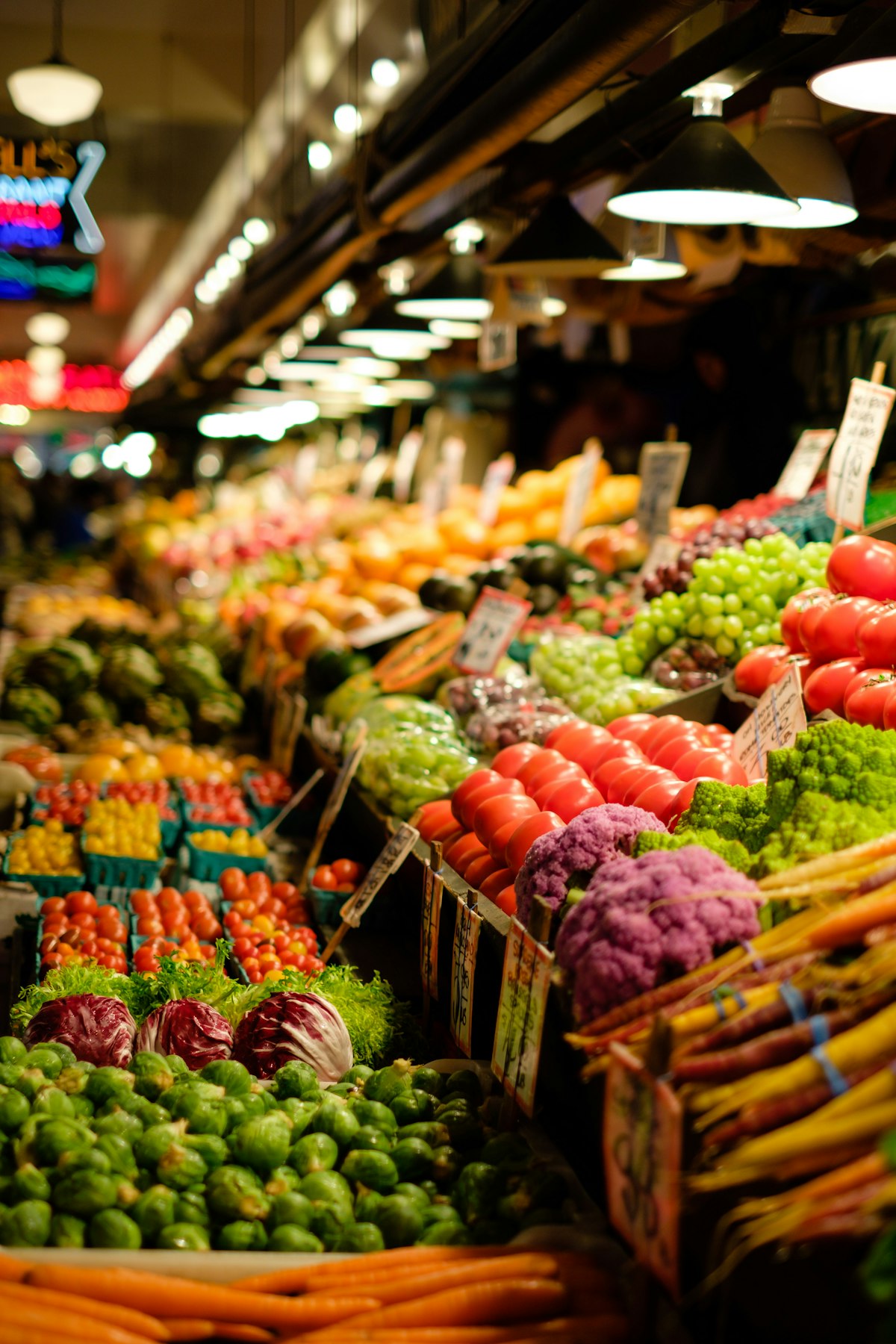
If you're running a restaurant, hotel kitchen, or cloud kitchen in India and you've decided to add exotic vegetables to your menu — cherry tomatoes, lettuce varieties, baby spinach, fresh herbs, microgreens — the quality of your supplier will make or break the experience. Here's what to look for.
1. Source Transparency: Where Is It Actually Grown?
Many "suppliers" in the exotic vegetable space are actually traders — they buy from multiple farms, aggregate, and resell. This means inconsistent quality, unknown growing practices, and zero traceability.
Ask your potential supplier: "Can I visit your farm?" A grower who invites you to see their operation has nothing to hide. A trader who can't tell you where the lettuce was grown yesterday is a risk.
At Grovera, every delivery is traceable to the specific polyhouse, bed, and harvest date. We welcome farm visits every Saturday.
2. Growing Method: Polyhouse vs. Open-Field
Exotic vegetables grown in NVPH polyhouses or greenhouses are fundamentally different from open-field production. Polyhouse-grown produce has more consistent sizing and appearance, longer shelf life (5-7 days vs 2-3 for field-grown), lower pesticide residue (physical pest exclusion reduces spray need by 80-90%), and year-round availability regardless of season or weather.
If your supplier tells you they have cherry tomatoes "year-round" but grows in open fields, be skeptical. Maharashtra's monsoon alone would disrupt 3-4 months of production.
3. Certifications That Actually Matter
In India, the most meaningful certification for exotic vegetables is NPOP (National Programme for Organic Production). This requires annual audits, documented input records, and compliance with organic standards.
Beyond certification, ask for quarterly lab test reports — independent testing for pesticide residues, heavy metals, and nutrient density. A supplier who publishes these voluntarily is one who takes food safety seriously.
4. Delivery Consistency: The Real Test
Any supplier can deliver great produce once. The question is: can they do it every Tuesday and Friday for 52 weeks?
Ask about their production planning, how they handle seasonal transitions, what happens if a crop fails, and whether they have backup capacity. A supplier with multiple polyhouses and diversified crops can absorb individual crop issues without disrupting your supply.
5. Pricing Model: Fixed vs. Market-Linked
Field-grown exotic vegetable prices fluctuate wildly — cherry tomatoes can swing from ₹80/kg to ₹300/kg in a single month based on weather and season. Polyhouse-grown produce offers more stable pricing because supply is weather-independent.
Look for a supplier who offers quarterly or seasonal pricing agreements rather than daily market rates. This lets you plan menu costing without surprises.
6. Communication and Ordering
In India's HoReCa supply chain, WhatsApp has become the de facto ordering platform. A good supplier should be responsive on WhatsApp, confirm orders same-day, send delivery ETAs, and handle complaints quickly.
Test this before committing — send a WhatsApp inquiry and see how fast and professionally they respond. This tells you more about the supplier than any brochure.
Ready to Try Grovera?
We're confident enough in our quality and consistency to offer a trial order — no commitment, no contracts. Try our produce in your kitchen, test it with your chefs, and decide for yourself. Message us on WhatsApp to get started.