From Seed Bank to Plate: Our Heirloom Seed Sovereignty Programme
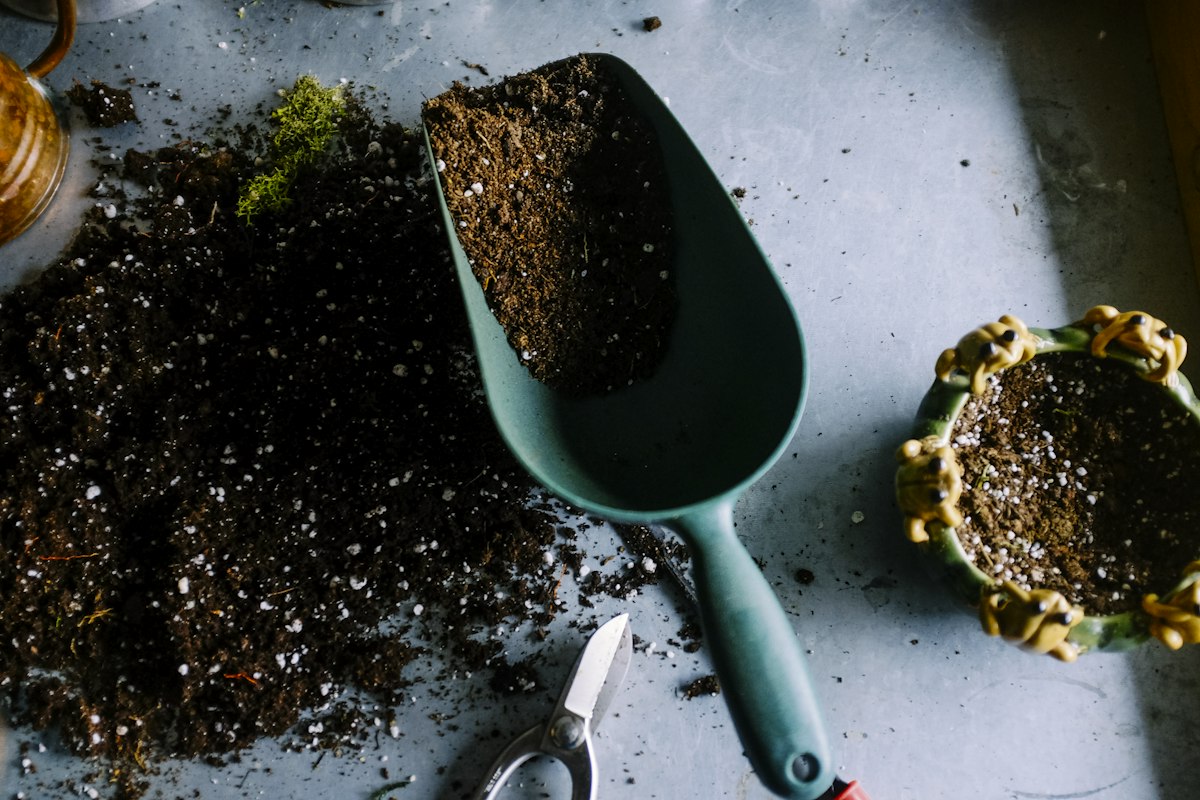
In a world of monocultures and proprietary hybrid seeds, Grovera Farms is doing something quietly revolutionary: maintaining a living seed bank of 28 heirloom and indigenous crop varieties. These are open-pollinated seeds — varieties that have been selected, saved, and passed down through generations of Indian farmers.
Why Seed Sovereignty Matters
Over the past 50 years, India has lost an estimated 90% of its rice varieties alone. Traditional vegetable varieties — adapted over centuries to local soil, climate, and pest conditions — have been replaced by commercial hybrids optimized for yield and shelf life rather than nutrition and flavour.
This loss of genetic diversity isn't just a cultural tragedy — it's a food security risk. When farming depends on a handful of proprietary varieties, a single disease or climate event can devastate entire supply chains. The Irish Potato Famine, the 1970 US corn blight, and the ongoing Panama disease (TR4) threat to Cavendish bananas all share the same root cause: genetic monoculture.
What's in Grovera's Seed Bank
Our seed bank includes 28+ varieties across several categories:
Indigenous leafy greens — Varieties of amaranth (rajgira), fenugreek (methi), and spinach (palak) that have been grown in the Jalgaon region for generations. These varieties are naturally adapted to our semi-arid climate and require significantly less water than commercial alternatives.
Heirloom tomatoes — Desi varieties with thicker skins, more intense flavour, and higher lycopene content than modern hybrids. We maintain several open-pollinated lines alongside our commercial cherry tomato production.
Traditional pulses — Local varieties of chickpea (chana), including the Dollar and Jockey types we grow commercially, plus heritage black chickpea and moth bean varieties that are increasingly rare in modern markets.
Desi herbs and aromatics — Indigenous varieties of tulsi (holy basil), ajwain, and curry leaf that have been selected for our specific soil and climate conditions over decades.
Heritage banana cultivars — Beyond our commercial G9 Cavendish, we maintain small plots of Rajeli, Lal Velchi (red banana), and Nendra Padathi varieties that are culturally significant but commercially marginalized.
How the Programme Works
Seed saving is both science and practice. Each season, we identify the healthiest, most productive plants from each variety and allow them to mature fully for seed production. These seeds are carefully harvested, dried, tested for viability, and stored in our temperature-controlled seed room.
We also participate in farmer seed exchange networks — sharing our varieties with other farmers and receiving varieties from different regions. This genetic exchange is how agricultural biodiversity has been maintained for millennia.
What This Means for Our Customers
Occasionally, you'll find heirloom varieties in our Farm Box subscription or available as seasonal specials for our B2B partners. These aren't our core commercial products — they're produced in smaller quantities — but they represent something important: a connection to India's agricultural heritage that's being lost in the rush toward commercial uniformity.
When you taste an heirloom tomato or a traditional amaranth green from Grovera, you're tasting centuries of careful selection — flavour profiles that modern breeding has sacrificed for shelf life and transportability.
Get Involved
If you're a farmer interested in heirloom seeds, a researcher studying crop diversity, or a chef who wants to explore indigenous varieties, we'd love to connect on WhatsApp. Agricultural biodiversity is everyone's inheritance — and everyone's responsibility to protect.